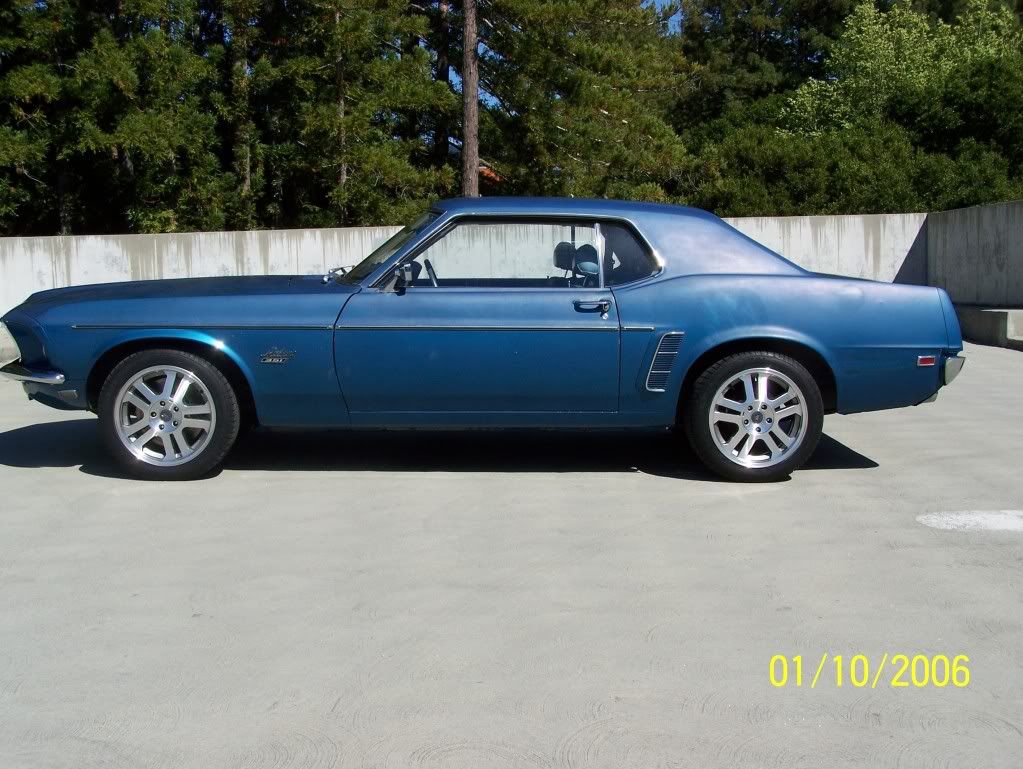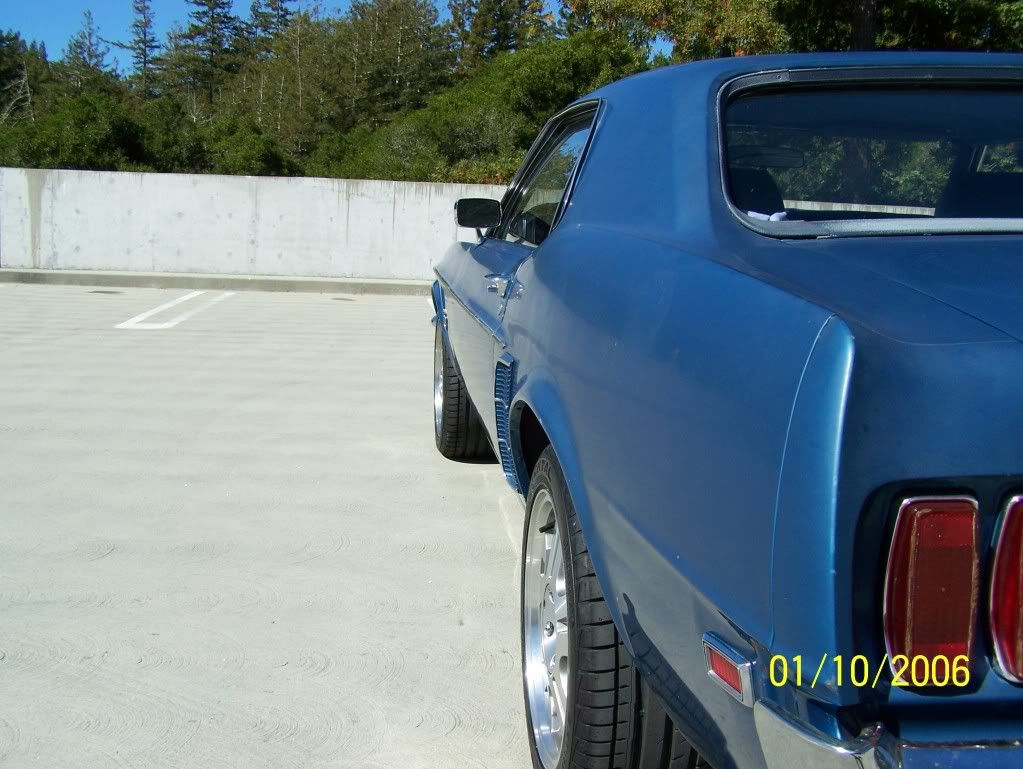


Wheels and Ride Height


Guest
Posts: n/a

1967 289 coupe v8
not sure about the wheels ill update soon, i like the white on 'em
ride height: im new, where do i measure it from. ground to ???
originally was olive green was repainted before i bought it to this aqua color, i like that dark blue color some one had on the first page though needs a paint job anyway :P.
~before restoration
~always a go car never a show car

~any suggestions for a color?
Guest
Posts: n/a
1967 289 coupe v8
not sure about the wheels ill update soon, i like the white on 'em
ride height: im new, where do i measure it from. ground to ???
originally was olive green was repainted before i bought it to this aqua color, i like that dark blue color some one had on the first page though needs a paint job anyway :P.
~before restoration
~always a go car never a show car
~any suggestions for a color?
http://www.imgupload.org/images/777_...00818_2005.jpg





Joined: Sep 2010
Posts: 7
From: TN
How do you choose your backspace? One manufacturer says it should be 4.25, another 4.75 for a 17x8 wheel. They can't both be right -can they?? How does offset play into the backspace discussion? I'm selecting wheels for a 67 FB now and have 1" drop spring in front, all other components heavier duty, but stock. I don't want to have 5-6 inches of air above the tread, especially on the rear. Thinking of the 17x8 Coys "67" wheels, with 245/45/17 front and rear. Advice and experiences appreciated.

6th Gear Member
Joined: Feb 2007
Posts: 7,635
From: state of confusion
Offset and backspacing are related, though you also need to know the wheel width (which is measured inside, between the bead seats) and overall flange thickness(es).
Roughly for alloy wheels,
[Offset] = [Backspacing] - 0.5 * ([WheelWidth] + 1")
For steel wheels you might want to use 3/4" instead of 1" in the above formula, for heavy alloy wheels maybe a bit more than 1".
Backspacing and offset don't directly affect ride height unless a bad choice makes you lift the car just to keep the tires out of the sheetmetal when you add passengers or drive over bumps.
Norm
Roughly for alloy wheels,
[Offset] = [Backspacing] - 0.5 * ([WheelWidth] + 1")
For steel wheels you might want to use 3/4" instead of 1" in the above formula, for heavy alloy wheels maybe a bit more than 1".
Backspacing and offset don't directly affect ride height unless a bad choice makes you lift the car just to keep the tires out of the sheetmetal when you add passengers or drive over bumps.
Norm
Joined: Sep 2010
Posts: 7
From: TN
In making a selection then, I need to know both backspace and offset, or at least know if the offset has been included in the advertised BS? I also gather that it would be better to err on the side of too much BS and be able to use a spacer to correct rather than too little and have the wheel too far out and nothing to do to fix it. Trying to learn...
6th Gear Member
Joined: Feb 2007
Posts: 7,635
From: state of confusion
Three main variables here. Wheel width, backspacing, and offset. If you know any two you can determine the third (with a little math). Most times, flange thickness does not vary enough to matter.
Offset is not a separate kind of wheel dimension that is either included or not included in a backspace number.
Backspacing is a measurement between two "hard points" on the wheel, but I think it is really a consequence of wheel width and offset (offset is a more useful thing to know when front suspension geometry is being developed). However, backspacing tends to be more useful when you're trying to physically fit wider or otherwise nonstandard wheels to an existing car.
I would not ever plan on using a spacer just to make a particular wheel fit before I bought it. That's a whole other can of worms involving stud length and nut thread engagement, strength, wheel centering, etc. If I ended up needing one for any unexpected reason I'd be unwilling to go much thicker than 1/8". If you think it's going to be close, double check all of your measurements, and when you think you've measured enough clearance points, go back and look for a few more.
If your new front wheels have offset that's much different from the offset on the OE wheels, they can affect the way the car drives or how it behaves under heavy braking.
Norm
Offset is not a separate kind of wheel dimension that is either included or not included in a backspace number.
Backspacing is a measurement between two "hard points" on the wheel, but I think it is really a consequence of wheel width and offset (offset is a more useful thing to know when front suspension geometry is being developed). However, backspacing tends to be more useful when you're trying to physically fit wider or otherwise nonstandard wheels to an existing car.
I would not ever plan on using a spacer just to make a particular wheel fit before I bought it. That's a whole other can of worms involving stud length and nut thread engagement, strength, wheel centering, etc. If I ended up needing one for any unexpected reason I'd be unwilling to go much thicker than 1/8". If you think it's going to be close, double check all of your measurements, and when you think you've measured enough clearance points, go back and look for a few more.
If your new front wheels have offset that's much different from the offset on the OE wheels, they can affect the way the car drives or how it behaves under heavy braking.
Norm
Last edited by Norm Peterson; Sep 14, 2010 at 06:36 AM.