
S550 Ford Mustang Naturally-Aspirated vs Forced Induction Build: Pros and Cons
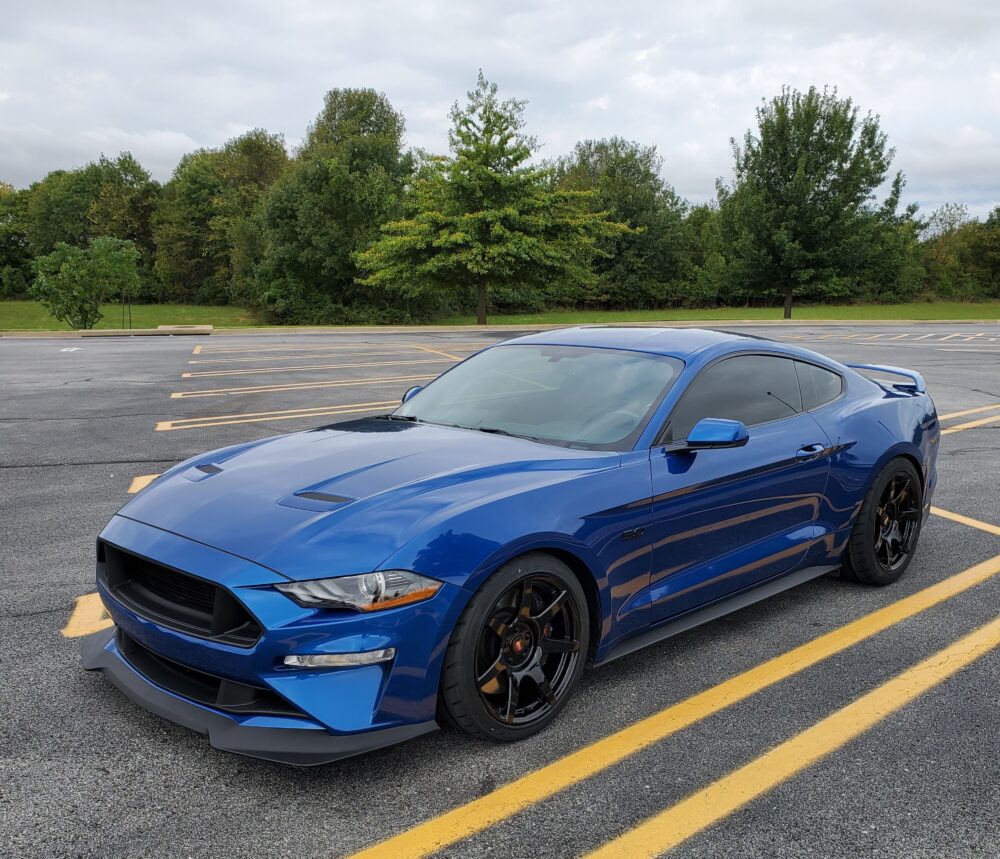
One can go a few different routes when extracting performance from an S550 Ford Mustang, but which is best for you?
While it was always popular from the get-go, one could argue that now is a better time than ever to buy and build an S550 Ford Mustang. This is largely due to the fact that the newer S650-generation pony car isn’t radically different, and yet, quite a bit more expensive, while the S550 offers the same sort of high-horsepower capability at a far lower cost of entry. However, while many owners tend to go the forced induction route for maximum effect (yours truly included), there are also others that may want to save some coin and stick with natural aspiration, too.
In either case, the S550 Ford Mustang makes an excellent blank canvas for these types of builds, and there are various pros and cons associated with each. We’re quite confident that there are plenty of folks out there debating whether they want to add a turbo or supercharger, or just stick with N/A and coax more power out of their 5.0-liter Coyote V8 for far less money, so we’re going to dive a bit into why each of those routes could be beneficial, as well as the various downsides of each decision, too.

Naturally-Aspirated Pros
Affordability
Adding power to an S550 Ford Mustang without breaking the bank is pretty easy to do, if one avoids purchasing a big ticket item like turbos or superchargers. This is particularly true given the fact that the Coyote doesn’t have to be stuffed with forged internals to make solid power, either. Rather, one can easily make around 500 wheel horsepower or more with some simple bolt-ons, such as a cold-air intake, long tube headers, an aftermarket exhaust, and a tune, all of which can be had for a rough total cost of around $4,000.
Power Delivery
Naturally-aspirated builds, in general, offer a more predictable and linear power curve, which some folks prefer. N/A builds can also be more reliable over the long term, as the more power one adds, the more reliability tends to diminish, though that can vary greatly.
Track Performance
N/A builds are typically preferred for those that spend a lot of time at the track – not the drag strip – as turbos and superchargers tend to generate a lot of heat and add weight, to boot.

Naturally-Aspirated Cons
Limited Peak Power
Of course, it’s pretty difficult to build an N/A S550 Ford Mustang Coyote V8 that makes as much peak power as one with forced induction, if not impossible. Even getting relatively close means one will have to go with more serious and expensive upgrades, which doesn’t make sense for a lot of folks.
Added Complexity and Costs
That added complexity also means that one will take a hit in regard to reliability, too. It simply gets to the point where trying to coax a few more horsepower out of an N/A build just costs too much to make sense for most, so such a build is really only suitable for those that are fine with more modest gains.

Forced Induction Pros
Huge Power Gains
As we’ve seen time and time again, adding a supercharger or turbos to an S550 Ford Mustang results in massive power gains, even without a ton of supporting mods. My own 2018 GT churned out 857 horsepower at the wheels on the dyno with a Gen 5 3.0-liter Whipple supercharger, in fact, with some E30 in the tank (780 on 91 octane pump gas), a custom tune, long tube headers, a Corsa exhaust, and nothing else. For those that want more, a twin turbo Coyote can make as much as 1,800 horsepower or more, with the right accompanying upgrades.
Simpler Path
Making that kind of power is pretty easy, too, as is evidenced by my own build. One can install a supercharger or turbos on an S550 Ford Mustang and call it a day, or add just a few more mods, but either way, it’s impossible to beat the power gains one can achieve with just one or a few upgrades.

Forced Induction Cons
Cost
Obviously, going the forced induction route is going to cost one a lot more than sticking with more basic N/A bolt ons. A good supercharger can cost upwards of $10,000 on its own, and then installation can add a few thousand more. The same is true of turbo kits, which can be a bit cheaper than blowers, but not by a large margin – and if you can’t install them yourself, you’re looking at a large expense there, too.
Increased Engine Strain
Forced induction puts more strain on one’s engine, which can hurt reliability, particularly if one tends to engage in more spirited driving on a regular basis. There are a lot of variables involved here, of course, and it’s fair to say that there are plenty of reliable supercharged and turbocharged pony cars out there. However, this is something to keep in mind, regardless.
Track Performance
As previously mentioned, the heat generated by forced induction setups makes them a bit less desirable for track duty, unless one spends a lot of extra money upgrading the cooling system to compensate. Then there’s the matter of the weight that such things add, which also isn’t ideal for track duty. Of course, that doesn’t mean there aren’t plenty of blown and turbocharged S550 Ford Mustangs out there conquering track days, either.

Conclusion
Choosing how to spend one’s hard-earned money extracting more performance from an S550 Ford Mustang can be a difficult task, but it really boils down to a few simple, personal decisions. If you just want a bit more power and don’t want to spend a ton of money, natural-aspiration is the way to go, obviously. However, if you dream of shredding tires on demand or beating up on supercars at the drag strip, it’s hard to beat forced induction, particularly when we’re talking about the best bang for your buck.
Photos: Brett Foote
Join the Mustang Forums now!

You must be logged in to post a comment.